
Streaming 2.0
We built a streaming service. Curated 100% by artists.

Over the past two decades, streaming has replaced CDs and digital downloads as the primary way for people to listen to and pay for recorded music. There are good reasons why that happened. As a teenager, I bought at least a couple of records a month. If you told me then that one day, for the price of one record a month, I’d have on-demand access to nearly every album and single ever released…I’d have been over the moon.
In business-speak: today’s ‘encyclopedic’ streaming services like Spotify and Apple Music have a simple and strong value proposition for listeners. Access to nearly anything you could possibly want to listen to, all in one place. It’s no wonder they’ve been so successful.
To understand streaming platforms - how they interact with the music industry, how they pay rights holders, how the user experience was created, etc. - you have to think about what streaming was built in response to: piracy. For those of you who don’t remember, piracy was kind of a big deal. It nearly tanked the entire recording industry in the early 2000s.
The lions’ share of blame, said [John] Kennedy [IFPI Chairman], should be levelled at piracy, which he described as the single biggest problem the industry currently faces.
Billboard, July 2007.
When labels, publishers, and artists were all on the ropes, streaming was a godsend. Why? Because of that ‘really strong value proposition’ for listeners. The recording industry seemed to understand: if streaming services had great catalog and became compelling places for consumers to listen to music, maybe, just maybe consumers could be convinced to pay for music again instead of just downloading it for free. Given where things were headed in the early 2000s and the lack of any viable alternative business models, the recording industry (including artists) dived headfirst into streaming.
In my last post, I talked about (1) the slow pace of innovation in music consumer tech since streaming first came on the scene in the late 2000s, (2) mounting artist frustrations with streaming, and (3) what the next era of digital music might look like.
I barely touched on piracy in that post, but you can distill everything I said in just a few sentences by focusing on what streaming services (DSPs) were trying to solve: DSPs were designed to fight and win the war against piracy, the existential threat that the music industry faced 20 years ago. But because of how they were designed, DSPs are not well equipped (a) to address new structural challenges that the music industry faces (in fact, they’re making them worse), (b) to deliver the personal connection many people want with their favorite music, or (c) to handle changes in the rights landscape for music. The next era of digital music will be defined by technology that is built to address these problems - the problems of today, not the problems of 20 years ago.
A brief summary of the problems of today, as I see them:
New structural challenges for the music industry (especially musicians):
AI songs: Streaming services can’t (and/or might not want to) restrict the flow of AI songs onto their platforms.
Royalty dilution: Because passive listening (i.e., background music playing) has become such a big part of streaming, DSPs are incentivized to prioritize lower-royalty ‘filler’ music in playlists, thereby diluting economics for all artists. The AI issue adds to this problem too. Check out Liz Pelly’s book.
Saturation: DSP user and revenue growth has slowed considerably. Because most leading DSPs use ‘pooled’ royalty calculations, the lack of revenue growth means the economic pie for royalties is becoming more ‘zero sum’ every day.
Discovery breakdown: DSPs have displaced radio as the dominant channels for audience growth and retention, and for paid marketing. But given how fast DSP catalog is growing (100k songs per day!?), breaking through to listeners is hard, getting harder. The ROI on DSP marketing is super choppy. Even getting ‘playlisted’ does not guarantee a win.
50,000 AI tracks flood Deezer daily – as study shows 97% of listeners can’t tell difference between human-made vs. fully-AI generated music - MBW, Nov 2025
Listener experience issues:
Imagine if your book collection was the Library of Congress. That’s what the major DSPs give us. Useful? Yes, incredibly so. Easy to navigate? Cozy? Reflective of your unique taste? Absolutely not. No matter how many algorithmic playlists DSPs create for you, they don’t feel personal. Since you now have everything, you no longer have a memory of getting anything (like a CD, cassette, vinyl etc), of discovering a new artist, of developing your music identity over time, of building your collection. Encyclopedic DSPs make it hard to feel close to the music you love. There’s a reason young people are into CDs and MP3 players again…I think it’s about reconnecting with your own (finite) taste.
DSPs are overwhelming and smeared with digital billboards. This mix. That mix. Recently played. Just for you. Etc. Maybe it’s just me, but half the time I open a DSP I forget what I’m trying to listen to.
Changes in the rights landscape:
No bullets here, just one long (very) important point. When DSPs first got going, their goal was to offer listeners access to all music. What I call an ‘encyclopedic’ supply of songs. Why? Remember, their real competition wasn’t iTunes downloads, it was piracy. It was FTP and P2P servers…basically, the world’s hard drive. If you’re trying to accumulate an encyclopedic catalog quickly, you need to secure your supply of songs through as few contracts as possible. That means you need to make labels and distributors (instead of artists) your customers. And that’s what the DSPs did. Makes sense.
But over the last 20 years, artists have come to think differently about music production and distribution. DIY records have become a force, especially in the social media era, and it’s easier than ever for artists to distribute directly or use label services providers. Even major label deals are very different these days. Not all, but increasingly more artists seem to care about owning their recordings and controlling how they are distributed. For DSPs 20 years ago, one reason it made sense to secure song supply from labels was the fact that so few artists owned and controlled their music at the time. That’s not necessarily true anymore. I have had many, many conversations in the last 10+ years with artists who have lots of flexibility with their music rights. Nevertheless, the major DSPs continue to treat labels and distributors (not artists) as their core customers on the supply side.
What’s Next
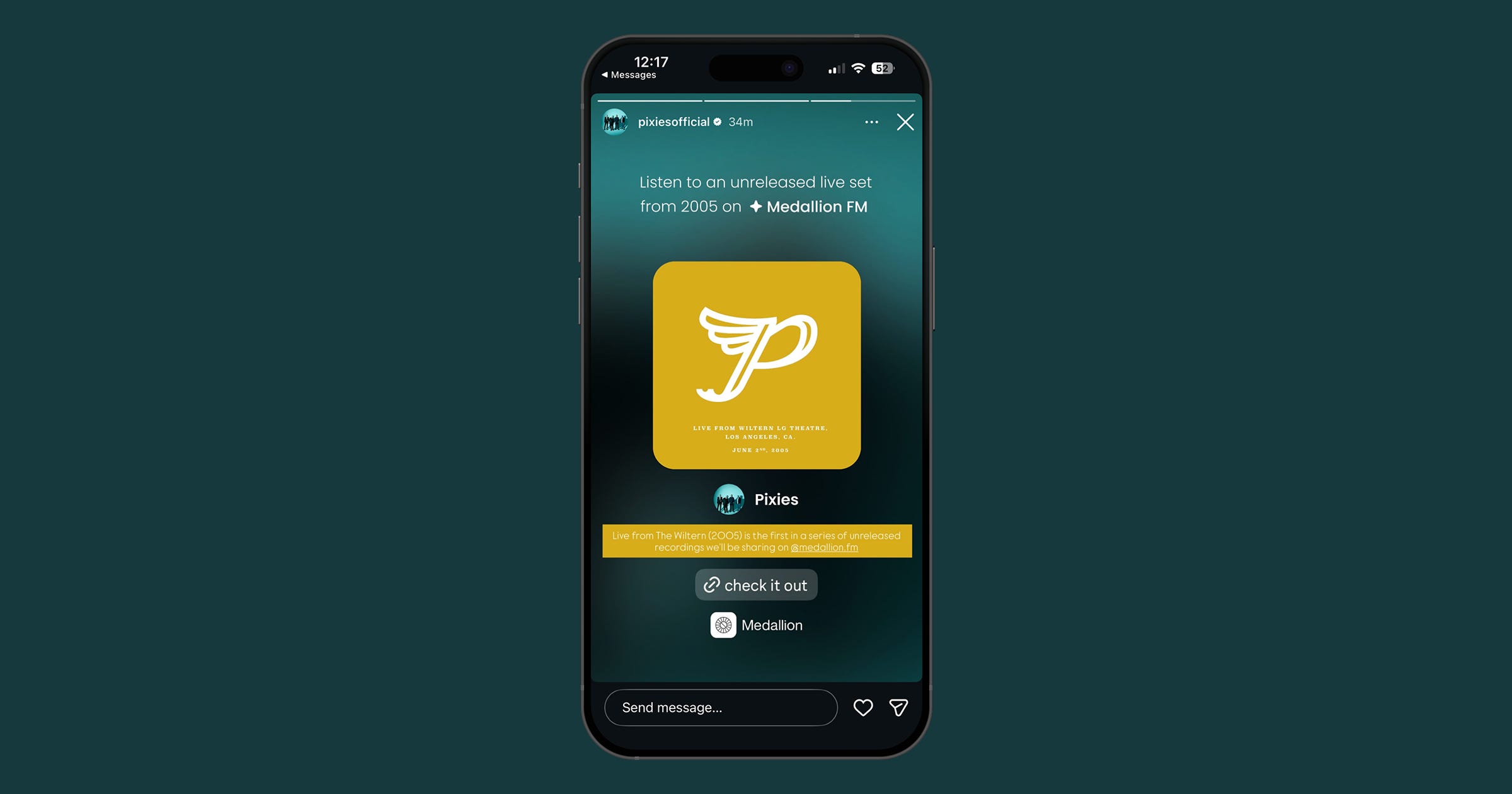
Surely you’ve guessed what I’m going to say next based on the title of this post. But I’ll say it anyway because it feels great. We’ve built a streaming service at Medallion. It’s called Medallion FM. We’ve built it with everything I wrote above on our minds (with years of thought and planning), and with the idea of giving artists and listeners alike something new and special to celebrate in the world of online music.
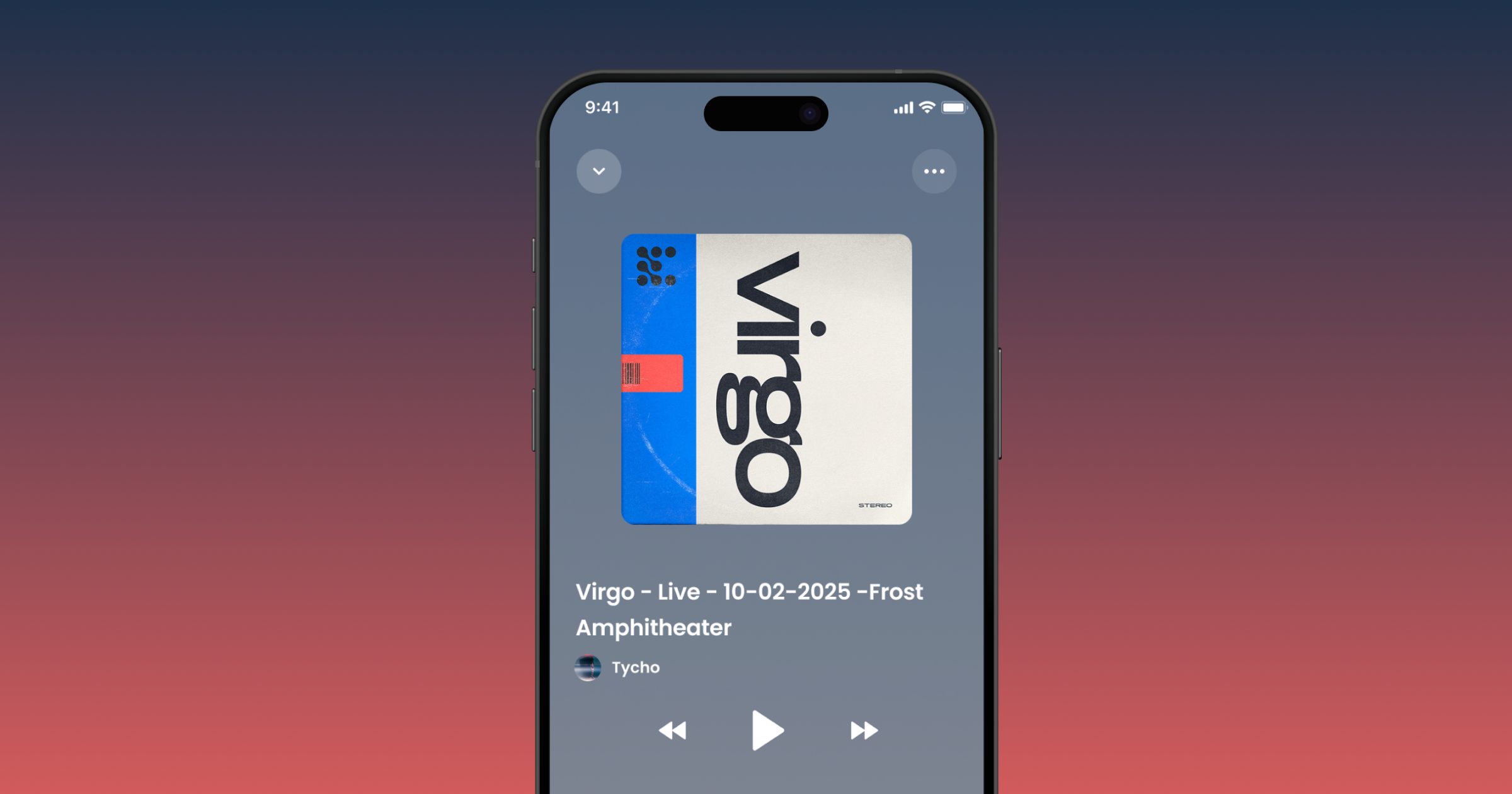
At Medallion, our mission is to give artists more economic independence and creative control. Musical artists retain something like $0.10 of every dollar spent on their music and merch. That’s one of the lowest ‘wallet shares’ in the creative economy, and we want to increase it. The only way to do so is to pioneer new business models in which the artist plays a central role.
Our Thesis
Starting a streaming service from zero is really, really hard and scary as hell. But at least you get to take two decades’ worth of learnings and start fresh. So, taking into account our mission and the ‘problems of today’ that I laid out above:
We think there are lots of artists out there who want to be central participants - not bystanders - in the distribution and monetization of their music.
We think there are listeners out there who want closer proximity to their favorite artists, who want access to material that’s not available on DSPs, and who want a listening experience that feels personal and focused.
Our Streaming Service
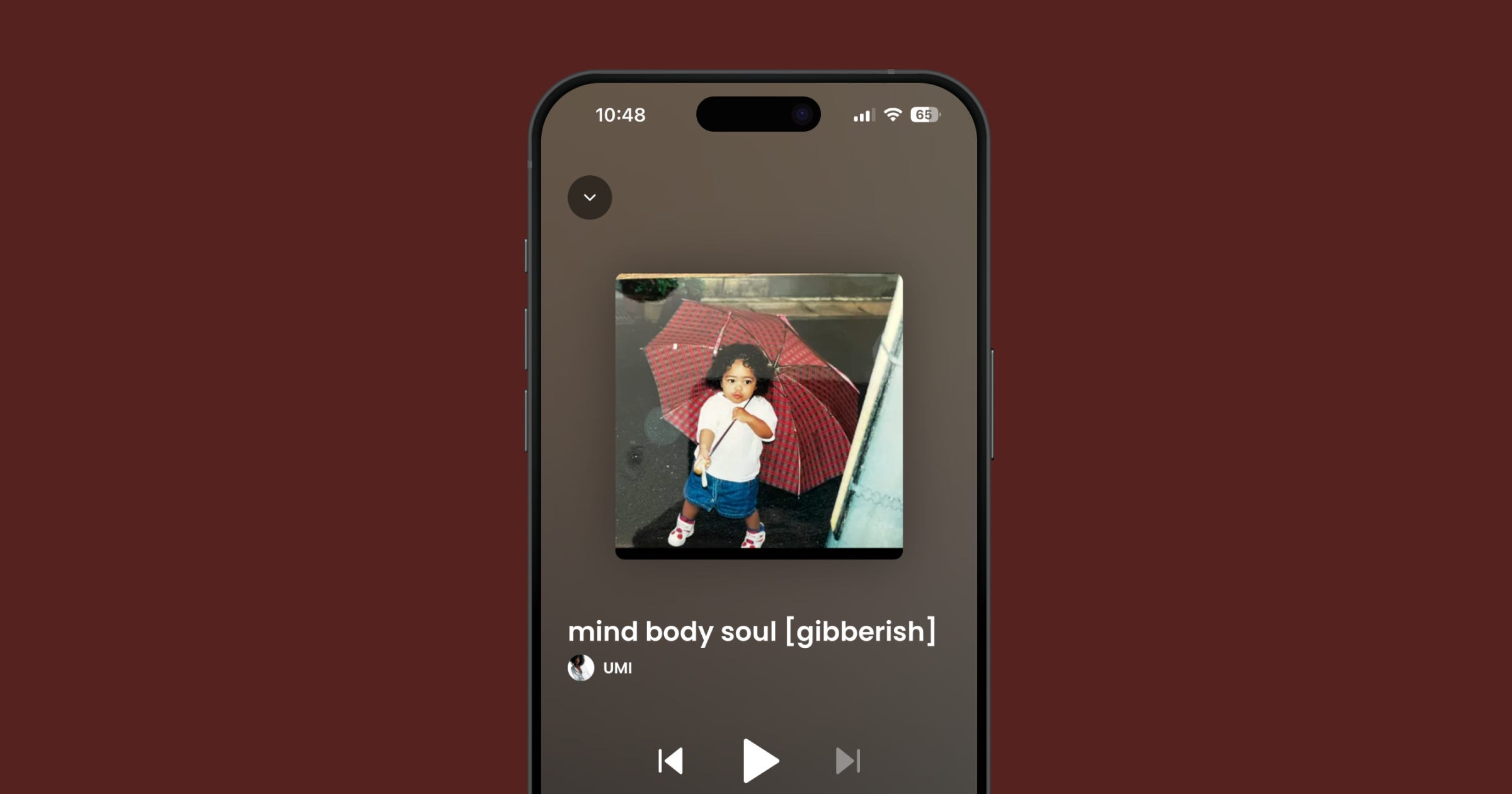
Medallion FM is starting life with a focus on unreleased music - music that you can’t find anywhere else.
We partner directly with artists to build the music library, which is curated 100% by the artists who participate in the Medallion FM streaming service. Artists must be verified and human. No shady uploaders allowed, no AI music.
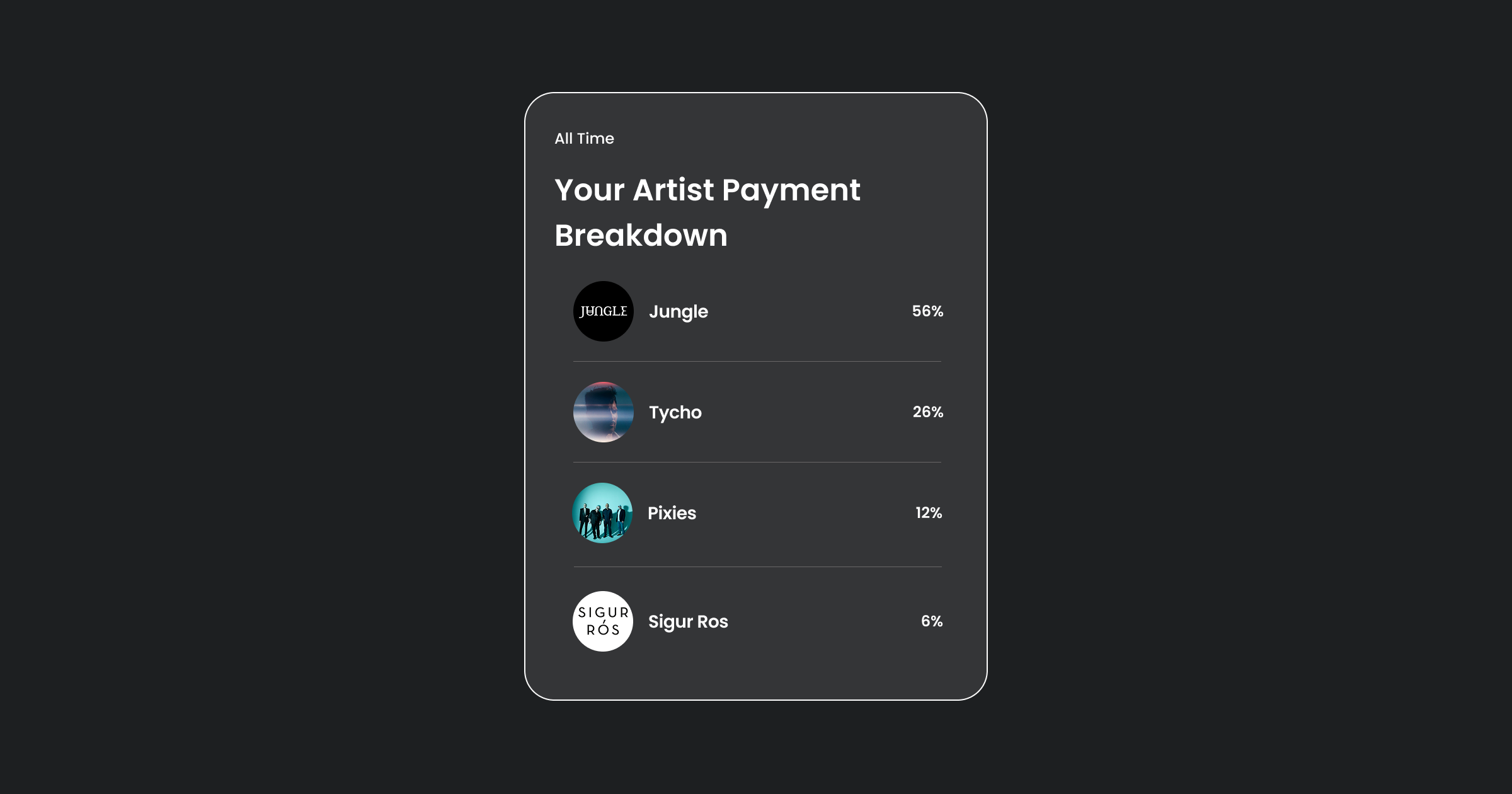
Our payout rates to artists are industry leading. We use a transparent user-centric royalty model that delivers fairer allocations to artists and a more ‘personal’ feel for listeners - you only pay the artists you listen to, and you can see exactly where your dollars go.
Artist first
On Medallion FM, artists are our ‘customer’. No material will be on the service unless an artist wants it there. In some cases, artists will need to coordinate with a label, distributor, or other rights holders to put material on Medallion FM. In other cases, artists will be able to work with us independently. Medallion FM is a platform that can help artists navigate self-distribution, no matter how complicated their rights arrangements may be. ‘Artist first’ also extends to data. Any data we collect about an artist’s fans belongs to that artist too.
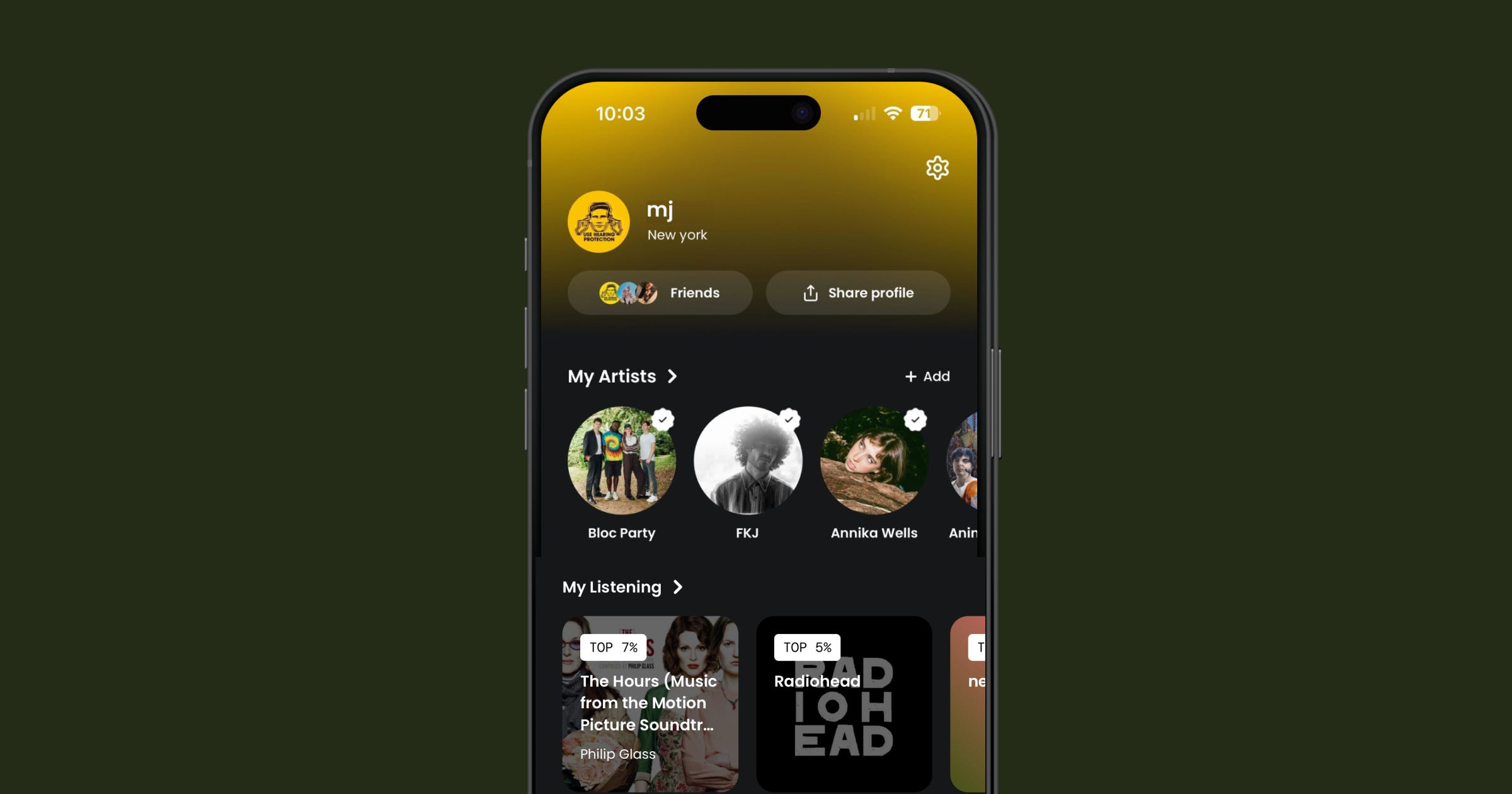
Curated, not encyclopedic
We want Medallion FM to be a place where taste is expressed and expressible by artists and listeners alike. Where the selection is finite and deliberate. That selection is not and is not intended to be for everybody, but it really, really is for the people it’s for. Medallion as a platform will not give opinions about what you should listen to, whether via technology (i.e., algorithm) or human (i.e., editorial). We believe music and culture should be organic and personal. We want Medallion FM to be a place you can come to listen to the music you know you want to listen to, without distraction.
Better artist payouts
Here’s where we increase the artist’s ‘wallet share.’ Most DSPs take 30 cents of every net subscription dollar as a platform fee. We’re going to take 10 cents. What does that mean for artists? It means they’ll see 25%+ more of every net subscription dollar than they do from most other DSPs.
Fairer artist payouts and a tighter connection to the music you’re paying for
At first blush it seems like these things don’t belong together. The reason I’ve grouped them is because they’re two sides (artist side, listener side) of the same coin: user-centric royalty allocations.
We calculate royalties at the individual subscriber level. If you just stream Radiohead all month (like I do some months lol), all of your royalty allocation will go to Radiohead. We think this is the fairest model for artists, but it’s not the standard model. Most DSPs pool streams at the platform level and distribute royalties accordingly. I won’t go deep on pooled versus user-centric allocation here, but suffice it to say that based on data we’ve collected so far, we believe listeners on Medallion FM for a given artist could be worth at least 10x what that artist’s ‘superlisteners’ are worth on major DSPs.
For listeners, a user-centric allocation model means an allocation model based on your streaming. We show our subscribers where their subscription dollars are going, because you should know what music you’re paying for when you’re paying for music. And you should only be paying for music you’re listening to. :)
If you want to find out more and follow along - check it all out here!
Lastly, I want to throw a big shout out to Adam, Catherine, Daniel, David, Jasmine, Javi, Jesse and Louis - our small but very mighty team at Medallion. The road has been winding but this is a very important moment for our company. Congrats on building something so special. Onwards.
Thanks for reading!
Would love to help get the word out about this. Drop me an email! Josh@somewheresoul.com
Good luck with this. Will check it out. I do wish people would stop.saying DSP though. For one there's already music related DSP (digital signal processing). And secondly, it doesn't even include music. Maybe that's intentional but seems counterproductive.